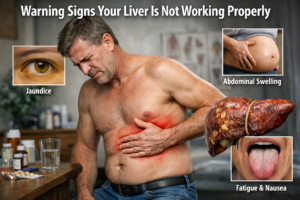
The liver is one of the most hardworking organs in your body. It filters toxins, helps in digestion, stores nutrients, and regulates metabolism. Despite performing hundreds of functions every day, the liver often does not show clear symptoms when something is wrong—especially in the early stages.
Many people ignore mild digestive issues, thinking they are just stomach-related. They search for stomach hospitals near me or take antacids for relief. However, these symptoms may actually be warning signs that your liver is not functioning properly.
Recognizing early signs and consulting a dr liver specialist at the right time can prevent serious complications and protect long-term health.
Why Liver Problems Are Often Overlooked
The liver has a strong ability to function even when partially damaged. This is why symptoms appear slowly and are often mild in the beginning.
If ignored, liver problems can progress into:
- Fatty liver disease
- Hepatitis
- Liver fibrosis
- Liver cirrhosis
Early consultation with a liver specialist doctor near me can help detect and manage these conditions before they become severe.
Common Warning Signs of Liver Dysfunction
Here are some early signs that your liver may not be working properly.
Persistent Fatigue
Feeling tired all the time, even after proper rest, is one of the most common early signs of liver issues.
The liver plays a key role in energy metabolism. When it is under stress, your body may feel constantly drained.
Digestive Problems
The liver helps in digestion by producing bile. When its function is affected, digestive issues may appear.
Common symptoms include:
- Bloating
- Indigestion
- Gas
- Nausea
- Loss of appetite
These symptoms are often mistaken for simple stomach problems, leading people to search for stomach hospitals near me instead of considering liver health.
Pain or Heaviness in the Upper Right Abdomen
The liver is located on the right side of the abdomen. Discomfort or a feeling of heaviness in this area may indicate liver inflammation or enlargement.
Yellowing of Eyes or Skin (Jaundice)
Jaundice is one of the most visible signs of liver dysfunction. It occurs when bilirubin builds up in the body.
Even mild yellowing should not be ignored and requires immediate medical attention.
Dark Urine and Pale Stools
Changes in urine and stool color may signal problems with bile production.
- Dark urine
- Light or clay-colored stools
These signs may indicate liver or bile duct issues.
Unexplained Weight Changes
Liver problems can affect metabolism and appetite.
You may notice:
- Sudden weight gain
- Loss of appetite
- Unintentional weight loss
These changes should be evaluated by a dr liver specialist.
Frequent Nausea
When the liver cannot effectively remove toxins, nausea may occur frequently. Persistent nausea should not be ignored.
Swelling in the Abdomen or Legs
In advanced cases, liver dysfunction can lead to fluid buildup in the abdomen (ascites) or swelling in the legs.
This requires urgent medical attention.
Risk Factors for Liver Problems
Certain conditions and habits increase the risk of liver disease.
Common risk factors include:
- Obesity
- Diabetes
- High cholesterol
- Alcohol consumption
- Poor diet
- Sedentary lifestyle
- Viral infections like hepatitis
If you have these risk factors, regular checkups with a liver specialist doctor near me are recommended.
How Doctors Diagnose Liver Problems
If liver dysfunction is suspected, doctors may recommend:
- Liver function blood tests
- Ultrasound of the abdomen
- FibroScan for fatty liver
- CT or MRI in complex cases
Early diagnosis helps prevent long-term damage.
Why Early Detection Is Important
Detecting liver problems early allows doctors to:
- Reverse fatty liver in early stages
- Prevent progression to cirrhosis
- Improve digestion and metabolism
- Reduce risk of complications
Consulting a dr liver specialist early can significantly improve outcomes.
Lifestyle Changes to Support Liver Health
Healthy habits can protect your liver and improve its function.
Recommended changes include:
- Eating a balanced diet
- Reducing sugar and processed foods
- Exercising regularly
- Maintaining a healthy weight
- Avoiding excessive alcohol
- Staying hydrated
- Avoiding unnecessary medications
These steps support both liver and digestive health.
When to See a Doctor
You should seek medical attention if you experience:
- Persistent fatigue
- Digestive issues lasting several weeks
- Abdominal pain on the right side
- Yellowing of eyes or skin
- Abnormal liver test reports
At this stage, visiting trusted stomach hospitals near me or consulting a liver specialist doctor near me becomes important.
FAQs
Q1. Can liver problems cause digestive symptoms?
Yes. Liver dysfunction often leads to bloating, nausea, and indigestion.
Q2. Is liver disease always caused by alcohol?
No. Non-alcoholic fatty liver disease is very common and is linked to lifestyle factors.
Q3. How can I detect liver problems early?
Blood tests and ultrasound are commonly used to detect liver issues early.
Q4. Can liver damage be reversed?
Early-stage liver damage can often be reversed with lifestyle changes and medical care.
Q5. Should I consult a liver specialist for mild symptoms?
If symptoms persist or worsen, consulting a dr liver specialist is recommended.
Final Thoughts
Your liver works silently to keep your body healthy, but early warning signs of dysfunction are often ignored. Symptoms like fatigue, digestive discomfort, and mild abdominal pain may seem minor but can indicate underlying liver issues.
Recognizing these signs early and seeking medical advice can prevent serious complications. Visiting trusted stomach hospitals near me and consulting a qualified liver specialist doctor near me ensures timely diagnosis and proper treatment for long-term liver and digestive health.