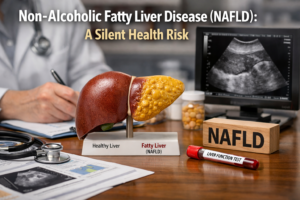
Non-Alcoholic Fatty Liver Disease (NAFLD) is becoming one of the most common liver conditions worldwide. What makes this disease concerning is that it often develops silently, without obvious symptoms in the early stages. Many people only discover it during routine health checkups or when digestive issues begin to appear.
Today, doctors across India are seeing an increase in NAFLD cases due to sedentary lifestyle, unhealthy diet, and rising obesity rates. Many patients initially search for stomach hospitals near me because they experience bloating, indigestion, or abdominal discomfort. However, the underlying cause may actually be liver-related.
Early diagnosis and consultation with a dr liver specialist can prevent serious complications and help reverse the condition in its early stages.
What Is Non-Alcoholic Fatty Liver Disease (NAFLD)?
NAFLD occurs when excess fat accumulates in liver cells in people who drink little or no alcohol. Normally, the liver contains small amounts of fat. However, when fat exceeds 5–10 percent of the liver’s weight, it can interfere with normal liver function.
There are two main stages of NAFLD:
-
Simple fatty liver (steatosis) – fat accumulation without major inflammation
-
Non-Alcoholic Steatohepatitis (NASH) – fat accumulation with inflammation and liver damage
If left untreated, NAFLD can progress to liver fibrosis, cirrhosis, and even liver failure.
Why NAFLD Is Called a Silent Disease
One of the biggest challenges with NAFLD is that many people do not experience clear symptoms for years. The liver continues to accumulate fat slowly, often without noticeable warning signs.
When symptoms do appear, they may include:
-
Constant fatigue
-
Mild abdominal discomfort on the right side
-
Bloating and indigestion
-
Loss of appetite
-
Unexplained weight gain
-
Abnormal liver function test results
Because these symptoms resemble common digestive problems, many patients first visit stomach hospitals near me before realizing the issue involves the liver.
Risk Factors for Fatty Liver Disease
Several lifestyle and metabolic factors increase the risk of NAFLD.
Common risk factors include:
-
Obesity or overweight
-
Type 2 diabetes
-
High cholesterol and triglycerides
-
High blood pressure
-
Sedentary lifestyle
-
Poor diet high in sugar and processed foods
-
Hormonal imbalances
Individuals with these risk factors should consider periodic evaluation by a liver specialist doctor near me.
How NAFLD Affects Digestion
The liver plays an important role in digestion by producing bile and processing nutrients. When fat accumulates in the liver, digestive processes may slow down.
This may lead to:
-
Poor digestion of fatty foods
-
Nausea after meals
-
Bloating and gas
-
Chronic fatigue
Consulting a dr liver specialist helps identify whether digestive symptoms are linked to liver health.
How NAFLD Is Diagnosed
Doctors use several tests to diagnose fatty liver disease.
Common diagnostic methods include:
-
Liver function blood tests
-
Ultrasound of the abdomen
-
FibroScan to measure liver stiffness
-
CT scan or MRI in some cases
These tests help determine the stage of liver damage and guide treatment.
If abnormal results are detected, patients may be referred to a liver specialist doctor near me for advanced care.
Can Fatty Liver Be Reversed?
Yes. One of the encouraging aspects of NAFLD is that early-stage fatty liver is often reversible with proper lifestyle changes.
Doctors usually recommend:
-
Weight loss through balanced diet
-
Regular physical activity
-
Control of blood sugar and cholesterol
-
Avoidance of alcohol
-
Medical monitoring
Under the supervision of a dr liver specialist, many patients see significant improvement in liver health within months.
Foods That Support Liver Health
A healthy diet plays a major role in managing fatty liver.
Recommended foods include:
-
Leafy green vegetables
-
Fresh fruits such as apples and berries
-
Whole grains like oats and brown rice
-
Lean protein sources
-
Nuts and seeds
-
Foods rich in antioxidants
Avoiding excessive sugar, fried foods, and processed snacks helps reduce liver fat.
When to Seek Medical Help
You should consider medical consultation if you experience:
-
Persistent fatigue
-
Chronic bloating or indigestion
-
Right-sided abdominal discomfort
-
Abnormal liver test reports
-
Sudden weight gain or metabolic issues
Searching for stomach hospitals near me can be a good starting point, but evaluation by a dr liver specialist is essential for proper diagnosis.
Why Early Diagnosis Matters
Ignoring fatty liver can lead to serious complications such as:
-
Liver inflammation
-
Liver fibrosis
-
Cirrhosis
-
Liver cancer
Early detection allows doctors to stop disease progression and restore liver health.
FAQs
Q1. Is NAFLD caused by alcohol?
No. NAFLD occurs in people who consume little or no alcohol.
Q2. Can fatty liver cause stomach symptoms?
Yes. It may cause bloating, indigestion, and abdominal discomfort.
Q3. How long does it take to reverse fatty liver?
With lifestyle changes, improvement can be seen within a few months.
Q4. Do I need medication for fatty liver?
Lifestyle changes are the primary treatment, but doctors may prescribe medications if needed.
Q5. Should I see a liver specialist for fatty liver?
Yes. Consulting a liver specialist doctor near me ensures proper monitoring and treatment.
Final Thoughts
Non-Alcoholic Fatty Liver Disease is a silent health risk that should not be ignored. Because symptoms often appear late, many people are unaware of the condition until routine tests reveal it.
Maintaining a healthy lifestyle, undergoing regular checkups, and consulting a qualified dr liver specialist when necessary can prevent serious liver damage. If you experience persistent digestive symptoms, visiting trusted stomach hospitals near me and seeking expert liver evaluation can protect your health and ensure long-term well-being.