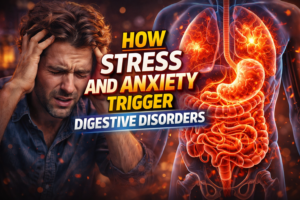
Have you ever felt stomach pain before an important meeting? Or nausea before an exam? That uncomfortable feeling is not random. Your brain and digestive system are deeply connected. When stress and anxiety increase, your gut often reacts immediately.
Today, digestive disorders like acidity, bloating, IBS, nausea, and even fatty liver are rising—especially among young adults. Many people search for stomach hospitals near me for relief, without realizing that the root cause may be emotional stress rather than just food.
Understanding how stress affects digestion can help you protect both your gut and liver health. In some cases, persistent digestive symptoms may even require consultation with a dr liver specialist to rule out deeper issues.
The Brain-Gut Connection
The digestive system and the brain communicate constantly through what doctors call the “gut-brain axis.” When you feel stressed:
-
Stress hormones increase
-
Blood flow shifts away from digestion
-
Stomach acid production changes
-
Intestinal movement becomes irregular
This leads to symptoms like:
-
Nausea
-
Acidity
-
Constipation
-
Diarrhea
-
Abdominal cramps
Stress does not just affect the mind—it directly impacts digestive function.
How Stress Triggers Common Digestive Disorders
1. Acid Reflux and GERD
Stress increases stomach acid production. Excess acid can travel upward into the food pipe, causing burning sensation and chest discomfort.
Symptoms include:
-
Frequent heartburn
-
Sour taste in the mouth
-
Chest burning
-
Difficulty swallowing
If symptoms persist, evaluation at trusted stomach hospitals near me is important.
2. Irritable Bowel Syndrome (IBS)
IBS is strongly linked to emotional stress. Anxiety can speed up or slow down bowel movements.
Common IBS symptoms:
-
Abdominal pain
-
Bloating
-
Gas
-
Constipation or diarrhea
Managing stress is a key part of IBS treatment.
3. Chronic Nausea and Appetite Changes
Stress can disturb appetite regulation, leading to:
-
Loss of appetite
-
Overeating
-
Persistent nausea
-
Vomiting sensation
Over time, poor eating patterns can also stress the liver.
4. Fatty Liver and Stress
Chronic stress increases cortisol levels, which can affect metabolism and fat storage. Combined with poor diet and lack of exercise, this increases the risk of fatty liver.
If fatigue and digestive discomfort occur together, consulting a liver specialist doctor near me is advisable.
Physical Effects of Long-Term Stress on the Liver
The liver plays a major role in metabolism and detoxification. Chronic stress may:
-
Increase inflammation
-
Disrupt blood sugar balance
-
Promote unhealthy eating habits
-
Increase alcohol consumption
-
Slow down liver repair
In patients with abnormal liver tests, a dr liver specialist may assess whether stress-related lifestyle factors are contributing.
Warning Signs That Stress Is Affecting Your Digestion
You may need medical evaluation if:
-
Digestive symptoms worsen during emotional stress
-
Acidity increases during anxiety
-
Abdominal pain occurs before stressful events
-
You feel fatigue along with digestive issues
-
Sleep problems worsen stomach discomfort
Persistent symptoms should not be ignored.
When to Seek Medical Help
While stress-related symptoms are common, you should visit a doctor if you experience:
-
Severe abdominal pain
-
Blood in stool
-
Persistent vomiting
-
Unexplained weight loss
-
Yellowing of eyes
At that point, visiting stomach hospitals near me or consulting a dr liver specialist becomes necessary to rule out serious conditions.
How to Manage Stress for Better Digestive Health
Managing stress improves both gut and liver function.
Helpful strategies include:
-
Regular exercise
-
Deep breathing or meditation
-
Consistent sleep schedule
-
Balanced diet
-
Limiting caffeine and alcohol
-
Reducing screen time before bed
-
Seeking counseling if needed
Combining medical treatment with stress management gives better results.
Lifestyle Habits That Protect Gut and Liver
-
Eat meals at fixed times
-
Avoid late-night heavy meals
-
Reduce processed food
-
Stay hydrated
-
Maintain healthy weight
-
Avoid self-medication
If symptoms persist despite lifestyle changes, consult a liver specialist doctor near me for further evaluation.
FAQs
Q1. Can stress alone cause digestive problems?
Yes. Stress directly affects stomach acid, bowel movement, and gut sensitivity.
Q2. Is IBS caused by anxiety?
IBS is strongly influenced by stress and emotional factors, though other causes may also contribute.
Q3. Can stress damage the liver?
Indirectly, yes. Chronic stress can worsen metabolic conditions and fatty liver.
Q4. When should I see a dr liver specialist?
If digestive symptoms are persistent and liver tests are abnormal.
Q5. Can stress management reduce acidity?
Yes. Reducing stress often decreases acid production and improves digestion.
Final Thoughts
Stress and anxiety are not just mental health issues—they have real physical effects on your digestive system. Ignoring emotional stress while treating only stomach symptoms may delay proper healing.
If digestive discomfort becomes frequent, it is important to seek medical evaluation at reliable stomach hospitals near me and consult a qualified dr liver specialist if liver involvement is suspected.
Managing stress, improving lifestyle habits, and seeking timely medical care together create the best path toward a healthy gut and strong liver.