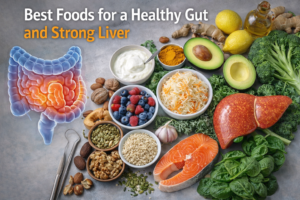
Your gut and liver work together every single day. The gut breaks down food and absorbs nutrients, while the liver processes those nutrients, removes toxins, and produces bile for fat digestion. When either of these organs is stressed, you may experience bloating, acidity, fatigue, constipation, or indigestion.
Many people search for stomach hospitals near me when digestive discomfort becomes frequent. But often, the solution begins with something much simpler—your daily diet. In some cases, doctors may also advise consulting a dr liver specialist if symptoms are persistent or liver function tests are abnormal.
Let’s explore the best foods that naturally support both gut health and liver strength.
Why Gut and Liver Health Are Connected
The gut and liver communicate through what doctors call the “gut-liver axis.” When your gut is healthy:
-
Nutrients are absorbed properly
-
Harmful bacteria are controlled
-
Toxins are reduced
-
Liver inflammation decreases
When the gut is unhealthy, toxins can reach the liver and cause stress or fatty liver over time. This is why diet plays a crucial role in preventing digestive and liver disorders.
Best Foods for a Healthy Gut
1. Fiber-Rich Vegetables
Vegetables improve digestion and support beneficial gut bacteria.
Best options:
-
Spinach
-
Broccoli
-
Carrots
-
Bottle gourd
-
Pumpkin
Fiber helps prevent constipation and reduces bloating.
2. Fruits with Natural Antioxidants
Fruits help repair gut lining and reduce inflammation.
Healthy choices:
-
Apples
-
Papaya
-
Bananas
-
Berries
-
Pomegranate
These fruits also support liver detoxification.
3. Probiotic Foods
Probiotics contain good bacteria that restore gut balance.
Examples:
-
Curd (yogurt)
-
Buttermilk
-
Fermented foods
Regular intake improves digestion and reduces gas formation.
4. Whole Grains
Whole grains improve bowel movement and reduce acid reflux.
Healthy grains:
-
Brown rice
-
Oats
-
Whole wheat
-
Millets
They help stabilize blood sugar, which protects the liver.
5. Lean Protein Sources
Protein helps repair liver cells and maintain muscle mass.
Best options:
-
Lentils
-
Chickpeas
-
Eggs
-
Tofu
-
Fish (if non-vegetarian)
Balanced protein intake prevents fatty liver progression.
Best Foods for a Strong Liver
1. Leafy Green Vegetables
Leafy greens help neutralize toxins and support bile flow.
Examples:
-
Spinach
-
Fenugreek leaves
-
Coriander
They reduce fat accumulation in the liver.
2. Garlic
Garlic contains compounds that activate liver enzymes and support detoxification.
3. Turmeric
Turmeric has anti-inflammatory properties and protects liver cells.
Adding small amounts to daily meals can be beneficial.
4. Nuts and Seeds
Almonds and walnuts provide healthy fats that reduce liver inflammation.
5. Green Tea
Green tea is rich in antioxidants and supports liver fat reduction when consumed moderately.
Foods to Avoid for Gut and Liver Health
Just as important as what you eat is what you avoid.
Limit:
-
Fried and oily food
-
Processed snacks
-
Sugary drinks
-
Excess alcohol
-
Refined flour products
-
Excessive red meat
Frequent consumption of these foods increases acidity, bloating, and fatty liver risk.
If symptoms persist despite dietary improvement, it may be time to consult a liver specialist doctor near me for further evaluation.
Lifestyle Habits That Support Both Gut and Liver
-
Eat at regular times
-
Avoid late-night heavy meals
-
Drink enough water
-
Exercise at least 30 minutes daily
-
Manage stress
-
Sleep 7–8 hours per night
-
Avoid unnecessary medication
Small daily habits make a long-term difference.
When to See a Liver Specialist
Diet alone may not be enough if you experience:
-
Persistent bloating
-
Chronic indigestion
-
Abnormal liver function tests
-
Fatty liver diagnosis
-
Fatigue with digestive discomfort
In such cases, a dr liver specialist can guide you with personalized treatment and monitoring.
Many patients start by searching for stomach hospitals near me, but proper liver evaluation may be equally important.
FAQs
Q1. Can diet alone reverse fatty liver?
In early stages, yes. Proper diet and exercise can significantly reduce liver fat.
Q2. Are probiotic foods good for liver health?
Yes. A healthy gut reduces liver inflammation and toxin load.
Q3. Is coffee good or bad for the liver?
Moderate coffee intake may have protective effects, but excessive caffeine can worsen acidity.
Q4. How long does it take to improve gut health?
Improvements can begin within weeks if diet and lifestyle changes are consistent.
Q5. Should I consult a dr liver specialist for mild digestive issues?
If symptoms persist or tests are abnormal, consulting a specialist is recommended.
Final Thought
Your gut and liver are central to your overall health. The food you eat every day either supports healing or increases stress on these organs. Choosing fiber-rich vegetables, probiotic foods, lean proteins, and antioxidant-rich fruits can strengthen digestion and protect liver function.
If digestive discomfort becomes frequent or fatigue persists, do not ignore it. Early evaluation at trusted stomach hospitals near me and consultation with a liver specialist doctor near me can prevent small problems from turning into serious conditions.
Healthy eating today builds a stronger gut and liver for the future.