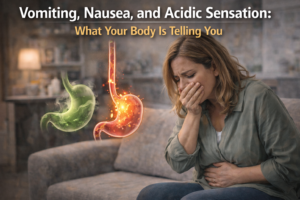
Vomiting, nausea, and an acidic burning sensation in the chest or stomach are common complaints. Most people experience them occasionally after overeating, eating spicy food, or during stress. But when these symptoms become frequent, your body may be trying to tell you something more serious.
Many people rely on quick remedies like antacids or home treatments. While these may provide temporary relief, repeated symptoms should not be ignored. In some cases, persistent nausea and acidity may involve deeper digestive issues—or even liver-related problems—requiring consultation with a dr liver specialist rather than just self-medication.
Let’s understand what these symptoms really mean and when you should seek medical attention.
Why Do Vomiting and Nausea Happen?
Nausea is the uneasy feeling that you may vomit. Vomiting is the body’s protective response to remove irritants or toxins from the stomach.
Common short-term causes include:
-
Food poisoning
-
Viral infections
-
Overeating
-
Motion sickness
-
Alcohol consumption
However, when symptoms continue for days or recur frequently, the cause may be more complex.
What Causes an Acidic Sensation?
An acidic or burning feeling in the chest is often due to acid reflux or GERD. It happens when stomach acid moves upward into the food pipe.
Triggers include:
-
Spicy or fried food
-
Late-night meals
-
Obesity
-
Stress
-
Smoking
-
Alcohol
If symptoms occur regularly, it may indicate chronic reflux disease rather than simple acidity.
When Symptoms Are Linked to Digestive Disorders
Persistent nausea and acidity may signal:
-
Gastritis (inflammation of the stomach lining)
-
Peptic ulcers
-
GERD
-
Gallbladder disease
-
Pancreatitis
-
Intestinal obstruction
Many patients search for stomach hospitals near me because symptoms appear stomach-related. But sometimes the root cause lies deeper.
Can Liver Problems Cause Nausea and Vomiting?
Yes. The liver plays a major role in digestion and detoxification. When liver function is affected, toxins can accumulate in the body, leading to symptoms such as:
-
Constant nausea
-
Loss of appetite
-
Bitter taste in the mouth
-
Bloating
-
Fatigue
-
Yellowing of eyes (in severe cases)
If digestive symptoms are accompanied by unusual tiredness or abdominal heaviness on the right side, consulting a liver specialist doctor near me is advisable.
Warning Signs You Should Not Ignore
While occasional nausea may not be serious, the following signs require medical attention:
-
Vomiting that lasts more than 24–48 hours
-
Blood in vomit
-
Severe abdominal pain
-
Persistent chest burning
-
Sudden weight loss
-
Dehydration
-
Jaundice
These symptoms may require evaluation at advanced stomach hospitals near me or by a dr liver specialist.
How Doctors Diagnose the Cause
Doctors usually start with:
-
Physical examination
-
Blood tests (including liver function tests)
-
Ultrasound of the abdomen
-
Endoscopy
-
CT or MRI in complex cases
Accurate diagnosis helps avoid unnecessary medication and prevents complications.
Common Treatment Approaches
Treatment depends on the underlying cause.
For acid reflux and GERD:
-
Acid-reducing medications
-
Lifestyle changes
-
Avoiding trigger foods
For infections:
-
Antibiotics (if bacterial)
-
Hydration and supportive care
For ulcers:
-
Proton pump inhibitors
-
H. pylori treatment
For liver-related causes:
-
Targeted treatment by a dr liver specialist
-
Dietary changes
-
Monitoring liver function
Daily Habits That Worsen Symptoms
Certain habits make nausea and acidity worse:
-
Skipping meals
-
Eating too quickly
-
Heavy late-night dinners
-
Excess tea, coffee, or carbonated drinks
-
Frequent alcohol intake
-
Chronic stress
-
Poor sleep
Correcting these habits often improves symptoms significantly.
When to See a Specialist
You should consult a doctor if:
-
Symptoms occur more than twice a week
-
You rely on antacids daily
-
Vomiting disrupts normal routine
-
You feel fatigue along with digestive issues
-
There is persistent abdominal discomfort
If liver involvement is suspected, searching for a liver specialist doctor near me ensures specialized care.
Can Stress Cause These Symptoms?
Yes. Stress directly affects the gut through the brain-gut connection. Anxiety can increase acid production and slow digestion, leading to nausea and reflux.
Managing stress is as important as medical treatment.
FAQs
Q1. Is frequent nausea always serious?
Not always, but persistent or unexplained nausea should be evaluated.
Q2. Can liver disease cause acidity?
Yes. Liver dysfunction can slow digestion and increase reflux-like symptoms.
Q3. Are antacids safe for regular use?
Occasional use is safe, but long-term use without diagnosis may mask serious problems.
Q4. When should I go to a hospital?
If there is blood in vomit, severe pain, dehydration, or yellowing of eyes, seek urgent care.
Q5. Can lifestyle changes really reduce acidity?
Yes. Regular meals, balanced diet, and stress control greatly reduce symptoms.
Final Thought
Vomiting, nausea, and an acidic sensation are not just discomforts—they are signals from your body. While occasional symptoms are normal, repeated episodes should never be ignored.
Listening to early warning signs, improving daily habits, and seeking timely medical advice—whether at trusted stomach hospitals near me or through consultation with a dr liver specialist—can prevent small issues from turning into serious health problems.
Your body speaks through symptoms. The key is paying attention before complications begin.