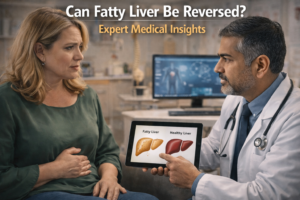
Fatty liver disease is becoming one of the most common liver conditions worldwide. Many people are surprised when they are told they have a fatty liver—especially if they don’t drink alcohol or feel seriously unwell. The good news is that fatty liver can often be reversed, especially when detected early. The key lies in understanding the condition, acting on time, and getting guidance from the right medical expert, such as a dr liver specialist.
This article explains fatty liver in simple language, answers the most common questions, and shares expert-backed insights on whether and how it can be reversed.
What Is Fatty Liver Disease?
Fatty liver disease occurs when excess fat builds up inside liver cells. Normally, the liver contains some fat, but when fat makes up more than 5–10% of the liver’s weight, it becomes a problem.
There are two main types:
- Non-Alcoholic Fatty Liver Disease (NAFLD) – linked to obesity, diabetes, poor diet, and sedentary lifestyle
- Alcoholic Fatty Liver Disease – caused by regular or heavy alcohol intake
Both types can progress if ignored.
Can Fatty Liver Really Be Reversed?
Yes—fatty liver is one of the few liver conditions that can be reversed, especially in its early stages. Unlike cirrhosis, fatty liver does not involve permanent scarring at first. With proper treatment and lifestyle correction, liver fat can reduce and liver function can return to normal.
However, reversal depends on:
- Stage of the disease
- Cause of fatty liver
- Consistency in lifestyle changes
- Medical supervision
This is why doctors often advise consulting a liver specialist doctor near me rather than relying only on general treatment.
Early Signs of Fatty Liver (Often Ignored)
Fatty liver is known as a “silent disease” because many people have no symptoms. When symptoms do appear, they are usually mild and mistaken for stomach problems.
Common signs include:
- Constant tiredness
- Bloating and indigestion
- Heaviness or mild pain on the right side of the abdomen
- Poor digestion of oily food
- Loss of appetite
- Unexplained weight gain
Because these feel like digestive issues, many people first visit stomach hospitals near me, delaying proper liver evaluation.
What Happens If Fatty Liver Is Not Treated?
If left untreated, fatty liver can progress through stages:
- Simple fatty liver – reversible
- Fatty liver with inflammation (NASH)
- Fibrosis – early scarring
- Cirrhosis – permanent damage
Early intervention by a dr liver specialist can stop or slow this progression.
How Doctors Diagnose Fatty Liver
Diagnosis usually involves:
- Liver function blood tests
- Ultrasound of the abdomen
- FibroScan to assess liver stiffness and fat
- CT or MRI in selected cases
A liver specialist doctor near me can interpret these results accurately and decide the best course of action.
Medical Insights: How Fatty Liver Is Reversed
There is no single pill that cures fatty liver. Reversal depends on correcting the root cause.
1. Weight Loss (Most Important Factor)
Losing even 7–10% of body weight can significantly reduce liver fat.
- Slow, steady weight loss works best
- Crash dieting can worsen liver stress
2. Diet Changes That Heal the Liver
Experts recommend:
- Reducing sugar, refined carbs, and fried food
- Increasing vegetables, fruits, whole grains
- Choosing lean protein sources
- Avoiding processed and packaged foods
A liver-friendly diet improves both digestion and metabolism.
3. Physical Activity
Regular exercise helps burn liver fat even without major weight loss.
- Brisk walking, cycling, or swimming
- At least 30 minutes a day
- Strength training for metabolic health
4. Alcohol Avoidance
If alcohol is involved, complete avoidance is essential. Even small amounts can slow recovery.
5. Control of Diabetes and Cholesterol
Uncontrolled blood sugar and cholesterol worsen fatty liver. Proper medical management is crucial.
6. Medications (When Needed)
There is no universal fatty liver medicine, but doctors may prescribe:
- Medications to improve insulin resistance
- Supplements under supervision
- Treatment for associated conditions
Self-medication should be avoided. Always follow advice from a dr liver specialist.
How Long Does Reversal Take?
Improvement can begin within:
- 3–6 months of consistent lifestyle change
- Liver enzyme levels often normalize first
- Imaging changes take longer
Regular follow-ups help track progress.
When Should You See a Liver Specialist?
You should search for a liver specialist doctor near me if:
- Fatty liver is detected on ultrasound
- Digestive symptoms persist
- You have diabetes, obesity, or high cholesterol
- Fatigue and bloating are frequent
- Liver enzymes are abnormal
Early guidance improves outcomes significantly.
Role of Stomach Hospitals vs Liver Specialists
Many patients start at stomach hospitals near me due to indigestion or acidity. While this is reasonable, persistent symptoms or abnormal tests should prompt referral to a dr liver specialist, who focuses on liver metabolism and long-term liver health.
FAQs
Q1. Is fatty liver a serious disease?
Early-stage fatty liver is reversible, but if ignored, it can become serious.
Q2. Can slim people have fatty liver?
Yes. Poor diet, genetics, and metabolic issues can cause fatty liver even in slim individuals.
Q3. Is medication enough to reverse fatty liver?
No. Lifestyle change is the main treatment. Medicines only support recovery.
Q4. Can fatty liver come back after reversal?
Yes, if unhealthy habits return. Long-term lifestyle discipline is important.
Q5. How often should fatty liver be monitored?
Your doctor may suggest follow-up every 6–12 months, depending on severity.
Final Thought
Fatty liver is not a life sentence—it is a warning sign. When taken seriously, it offers a powerful opportunity to reset your health. With early diagnosis, disciplined lifestyle changes, and expert guidance from a dr liver specialist, fatty liver can often be reversed completely.
If you’ve been diagnosed or suspect liver-related digestive issues, don’t delay. The right care today can protect your liver—and your future health—for years to come.