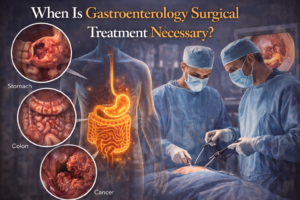
Most digestive problems can be managed with lifestyle changes, medications, and regular follow-ups. Acidity, indigestion, bloating, constipation, or mild reflux usually improve with proper care. However, there are situations where medical treatment is no longer enough, and gastroenterology surgical treatment becomes necessary.
Many patients delay surgery out of fear or confusion, continuing medicines for years. This delay can worsen the condition and lead to complications. Understanding when surgery is truly required helps patients make informed decisions and seek timely care at the right stomach hospitals near me or with specialized doctors.
What Is Gastroenterology Surgical Treatment?
Gastroenterology surgery involves procedures that treat diseases of the digestive system, including the:
- Esophagus
- Stomach
- Intestines
- Liver
- Gallbladder
- Pancreas
Surgery is recommended only when:
- Medicines fail to control symptoms
- The disease progresses
- There is a risk of complications or cancer
In some cases, coordination between a gastroenterologist and a dr liver specialist is required, especially when liver-related conditions are involved.
Common Conditions That May Require Surgery
Not all digestive disorders need surgery, but certain conditions do.
1. Severe GERD Not Responding to Medication
If acid reflux continues despite long-term medication and lifestyle changes, surgery may be advised.
Surgical consideration when:
- Symptoms persist for years
- There is damage to the food pipe
- Barrett’s esophagus is detected
- Quality of life is affected
Procedures like fundoplication strengthen the valve between the stomach and food pipe.
2. Gallstones Causing Repeated Symptoms
Gallstones often cause:
- Upper abdominal pain
- Nausea and vomiting
- Indigestion after fatty meals
Surgery is necessary when:
- Pain is recurrent
- Gallbladder infection occurs
- Stones block bile ducts
Delaying gallbladder surgery can affect liver function, requiring evaluation by a liver specialist doctor near me.
3. Intestinal Obstruction or Narrowing
Blockage in the intestine is a serious condition.
Surgery may be required if there is:
- Severe abdominal pain
- Persistent vomiting
- Inability to pass stool or gas
- Swelling of the abdomen
This can be caused by tumors, strictures, hernias, or adhesions.
4. Inflammatory Bowel Disease Complications
Conditions like Crohn’s disease or ulcerative colitis are usually treated with medication, but surgery becomes necessary when:
- There is severe bleeding
- Intestinal perforation occurs
- Narrowing causes obstruction
- Cancer risk increases
Surgery is often life-saving in advanced cases.
5. Liver Conditions Requiring Surgical Care
Some liver conditions cannot be managed with medicines alone.
Surgical or advanced intervention may be needed for:
- Advanced liver cirrhosis complications
- Liver tumors
- Bile duct blockages
- Portal hypertension-related issues
In such cases, a dr liver specialist works closely with surgeons to decide the best treatment plan.
6. Pancreatic Diseases
Pancreatic conditions are complex and may require surgery if:
- There is a pancreatic tumor
- Chronic pancreatitis causes severe pain
- Duct blockage occurs
Early diagnosis at advanced stomach hospitals near me improves outcomes.
Warning Signs That Surgery May Be Needed
You should not ignore these symptoms:
- Persistent abdominal pain
- Repeated vomiting
- Blood in vomit or stool
- Unexplained weight loss
- Difficulty swallowing
- Severe bloating or abdominal swelling
- Jaundice with abdominal discomfort
If these occur, immediate medical evaluation is essential.
Why Long-Term Medication Is Not Always Safe
Many patients rely on medicines for years without improvement. Long-term medication can:
- Mask serious disease
- Delay diagnosis
- Cause liver stress
- Lead to complications
If symptoms continue despite treatment, doctors may recommend further tests and possible surgical evaluation.
How Doctors Decide If Surgery Is Necessary
Before recommending surgery, doctors usually perform:
- Blood investigations
- Endoscopy or colonoscopy
- Ultrasound, CT, or MRI scans
- Liver function tests
- Specialist consultations
In cases involving digestion and liver metabolism together, consulting a liver specialist doctor near me ensures a safer and more accurate decision.
Benefits of Timely Surgical Treatment
When done at the right time, surgery can:
- Relieve chronic pain
- Prevent life-threatening complications
- Improve digestion and nutrition
- Reduce long-term medication dependence
- Improve overall quality of life
Modern gastroenterology surgeries are often minimally invasive, with faster recovery and fewer risks.
When to Seek a Specialist Opinion
You should consult a specialist if:
- Symptoms last for months or years
- Medications stop working
- Complications are suspected
- Liver-related symptoms appear
- You have been advised surgery but feel unsure
A second opinion at reputed stomach hospitals near me or with a dr liver specialist can bring clarity and confidence.
FAQs
Q1. Is gastroenterology surgery always a last option?
Yes. Surgery is usually recommended only when medicines and lifestyle changes fail or complications arise.
Q2. Are digestive surgeries risky?
With modern techniques and experienced surgeons, most procedures are safe and effective.
Q3. Can liver problems require digestive surgery?
Yes. Advanced liver disease, bile duct blockages, and tumors may require surgical intervention.
Q4. How long is recovery after gastro surgery?
Recovery depends on the procedure. Many minimally invasive surgeries allow return to normal activity within weeks.
Q5. Should I consult a liver specialist before surgery?
If liver function is involved, consulting a liver specialist doctor near me is highly recommended.
Final Thought
Gastroenterology surgical treatment is not about rushing into surgery—it’s about choosing the right treatment at the right time. Ignoring warning signs or delaying necessary procedures can lead to serious complications.
If digestive problems are affecting your daily life despite treatment, or if liver-related issues are suspected, timely consultation with the right specialists and well-equipped stomach hospitals near me can protect your health and ensure long-term recovery.