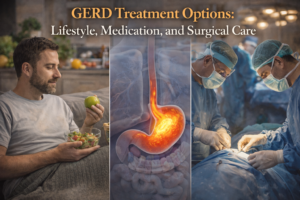
Gastroesophageal Reflux Disease (GERD) is more than just occasional heartburn. It is a chronic condition where stomach acid repeatedly flows back into the food pipe, causing irritation and discomfort. Many people ignore early symptoms or rely on antacids for quick relief, but long-term GERD needs a structured treatment plan.
If symptoms persist, worsen, or affect daily life, it may be time to look beyond self-medication and consult the right specialists—sometimes even a dr liver specialist, especially when digestive and liver-related issues overlap.
This article explains GERD treatment options in simple terms, covering lifestyle changes, medications, and surgical care.
What Is GERD?
GERD occurs when the lower esophageal sphincter (LES), a muscle that prevents acid from moving upward, becomes weak or relaxes at the wrong time. This allows acid to irritate the esophagus repeatedly.
Common GERD symptoms include:
-
Frequent heartburn
-
Acid reflux or sour taste
-
Chest discomfort
-
Difficulty swallowing
-
Chronic cough or throat irritation
-
Bloating and indigestion
Many patients initially search for stomach hospitals near me, but treatment often requires a deeper evaluation of digestion, lifestyle, and sometimes liver health.
Why GERD Should Not Be Ignored
Untreated GERD can lead to complications such as:
-
Esophageal inflammation
-
Ulcers
-
Narrowing of the food pipe
-
Barrett’s esophagus (precancerous changes)
-
Chronic digestive discomfort
That’s why timely treatment and proper medical guidance are important.
GERD Treatment Option 1: Lifestyle Changes
Lifestyle correction is the foundation of GERD management. In mild to moderate cases, symptoms can improve significantly with daily habit changes.
Key lifestyle changes include:
-
Eating smaller, frequent meals
-
Avoiding spicy, fried, and fatty foods
-
Limiting caffeine, chocolate, and carbonated drinks
-
Avoiding meals 2–3 hours before bedtime
-
Elevating the head while sleeping
-
Maintaining a healthy weight
-
Quitting smoking and alcohol
These steps reduce pressure on the stomach and help prevent acid reflux naturally.
In some patients, persistent reflux may also be linked to fatty liver or digestive slowdown, where consulting a dr liver specialist becomes relevant.
GERD Treatment Option 2: Medications
When lifestyle changes are not enough, doctors may recommend medications to control acid production and heal the esophagus.
Common GERD medications include:
-
Antacids
Provide quick, short-term relief by neutralizing stomach acid. -
H2 Blockers
Reduce acid production and offer longer relief than antacids. -
Proton Pump Inhibitors (PPIs)
Stronger acid suppressors that allow the esophagus to heal. -
Prokinetic Agents
Improve stomach emptying and reduce reflux episodes.
Long-term or unsupervised use of acid-suppressing drugs is not recommended. If you depend on medication regularly, consulting specialists—sometimes even a liver specialist doctor near me—helps ensure digestion and metabolism remain balanced.
When GERD Symptoms Don’t Improve
Some people continue to experience symptoms despite medication and lifestyle changes. This may indicate:
-
Severe GERD
-
Hiatal hernia
-
Weak LES
-
Underlying digestive or liver-related disorders
In such cases, advanced testing may be advised, including:
-
Endoscopy
-
pH monitoring
-
Esophageal manometry
-
Ultrasound or liver function tests
This is when people move beyond basic care and consult specialized stomach hospitals near me or a dr liver specialist for comprehensive evaluation.
GERD Treatment Option 3: Surgical and Advanced Procedures
Surgery is considered only when GERD is severe and does not respond to medical treatment.
Common surgical options include:
-
Fundoplication
The upper part of the stomach is wrapped around the esophagus to strengthen the LES. -
LINX device
A ring of magnetic beads is placed around the LES to prevent acid reflux while allowing swallowing. -
Endoscopic procedures
Minimally invasive techniques to improve LES function.
Surgical treatment is usually recommended after thorough evaluation and discussion of risks and benefits.
Role of Liver Health in GERD
The liver plays a key role in digestion, bile production, and metabolism. Conditions like fatty liver can worsen bloating, indigestion, and reflux symptoms.
If GERD is associated with:
-
Persistent bloating
-
Fatigue
-
Poor digestion of fatty foods
-
Abnormal liver tests
A consultation with a liver specialist doctor near me may help identify contributing factors and improve overall digestive health.
When Should You See a Specialist?
You should seek medical advice if:
-
GERD symptoms occur more than twice a week
-
Medications give only temporary relief
-
You experience difficulty swallowing
-
There is unexplained weight loss
-
Symptoms disturb sleep or daily routine
Early diagnosis prevents long-term complications.
FAQs
Q1. Can GERD be cured permanently?
GERD can be well-controlled in most people with proper treatment and lifestyle changes, though some may need long-term management.
Q2. Are antacids safe for daily use?
Occasional use is safe, but daily use without medical guidance is not recommended.
Q3. Can liver problems cause GERD-like symptoms?
Yes. Digestive imbalance and fatty liver can worsen reflux and indigestion.
Q4. Should I visit a stomach hospital or liver specialist for GERD?
Start with a digestive evaluation. If symptoms persist or liver issues are suspected, consulting a dr liver specialist is helpful.
Q5. Is surgery the last option for GERD?
Yes. Surgery is usually considered only when lifestyle and medication fail.
Final Thought
GERD is a manageable condition, but ignoring it or relying only on quick remedies can lead to complications. A balanced approach—starting with lifestyle changes, using medications wisely, and considering advanced care when needed—offers the best results.
If symptoms persist despite treatment, looking beyond routine care and consulting the right specialists, including a dr liver specialist, can restore comfort, digestion, and long-term health.