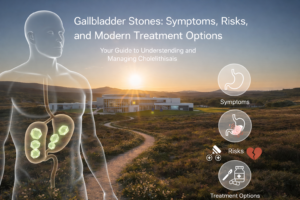
Gallbladder stones, also called gallstones, are a common digestive problem affecting people of all ages. Many people live with gallstones without knowing it, while others experience sudden pain that disrupts daily life. Understanding the symptoms, risks, and modern treatment options helps you take the right action at the right time—especially when guidance from a dr liver specialist or a gastroenterology surgical team is needed.
What Are Gallbladder Stones?
Gallbladder stones are hardened deposits that form inside the gallbladder, a small organ located below the liver. The gallbladder stores bile, a digestive fluid that helps break down fats. When bile contains too much cholesterol or bilirubin, stones can form.
There are two main types:
- Cholesterol stones – the most common type
- Pigment stones – formed due to excess bilirubin
Some stones are as small as sand grains, while others can grow as large as a golf ball.
Common Symptoms of Gallbladder Stones
Many people have silent gallstones, meaning no symptoms at all. Problems begin when stones block bile ducts.
Common symptoms include:
- Sudden pain in the upper right abdomen
- Pain that spreads to the back or right shoulder
- Nausea or vomiting
- Bloating and indigestion after fatty meals
- Fever or chills (in complicated cases)
If pain is severe or recurring, consulting a liver specialist doctor near me or visiting a stomach hospital near me is strongly advised.
Risk Factors You Should Not Ignore
Certain people are more likely to develop gallstones. These include:
- Age above 40
- Obesity or rapid weight loss
- High-fat or low-fiber diet
- Diabetes
- Pregnancy
- Family history of gallstones
- Liver disorders
People already under care of a dr liver specialist should be extra cautious, as liver and gallbladder health are closely connected.
How Gallbladder Stones Are Diagnosed
Doctors use modern, painless tests to confirm gallstones:
- Ultrasound scan – the most common and accurate test
- Blood tests to check liver function
- CT scan or MRI (if complications are suspected)
Early diagnosis helps avoid emergency situations and complicated surgery.
Modern Treatment Options for Gallbladder Stones
Treatment depends on symptoms, stone size, and overall health.
1. Observation (Watch & Wait)
If stones cause no symptoms, doctors may suggest monitoring without immediate treatment.
2. Medications
In rare cases, medicines can dissolve cholesterol stones, but this process:
- Takes months or years
- Is not suitable for large stones
- Has a high chance of recurrence
3. Laparoscopic Gallbladder Surgery
This is the most effective and widely used treatment today.
Benefits include:
- Small incisions
- Minimal pain
- Faster recovery
- Discharge within 1–2 days
This procedure is handled by an experienced gastroenterology surgical team and is considered very safe.
4. Open Surgery (Rare Cases)
Used only when laparoscopic surgery is not possible due to complications or severe infection.
Life After Gallbladder Removal
Many people worry about digestion after surgery, but the body adapts well.
After surgery:
- You can live a normal, healthy life
- Mild dietary adjustments may be advised initially
- Fat digestion improves over time
Regular follow-ups with your dr liver specialist help ensure smooth recovery.
When Should You See a Doctor Immediately?
Do not delay medical help if you experience:
- Severe abdominal pain lasting more than 2 hours
- Yellowing of eyes or skin
- High fever with chills
- Persistent vomiting
Search for a liver specialist doctor near me or visit a trusted stomach hospital near me for prompt care.
FAQs About Gallbladder Stones
Are gallbladder stones dangerous?
Yes, if untreated, they can cause infection, inflammation, or blockage of bile ducts.
Can gallstones go away on their own?
Most gallstones do not disappear without treatment, especially symptomatic ones.
Is surgery the only permanent solution?
Yes, gallbladder removal is the most reliable and long-term treatment option.
Can diet prevent gallstones?
A balanced diet with fiber, fruits, vegetables, and controlled fats helps reduce risk but cannot guarantee prevention.
Who should perform gallbladder surgery?
An experienced gastroenterology surgical specialist ensures safer outcomes and faster recovery.
Final Thoughts
Gallbladder stones may seem minor at first, but ignoring symptoms can lead to serious complications. With early diagnosis, expert care from a dr liver specialist, and access to modern gastroenterology surgical treatments, gallstones can be managed safely and effectively.
If you or a loved one experiences persistent stomach pain or digestive discomfort, do not delay—consult a trusted liver specialist doctor near me or visit a reliable stomach hospital near me for professional evaluation and peace of mind.