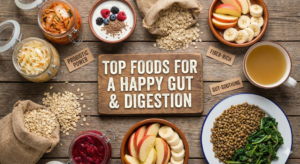
A healthy gut plays a major role in how you feel every day. From digestion and immunity to energy levels and even mood, your gut health impacts your entire body. Poor eating habits, stress, irregular meals, and processed foods can slowly damage digestion, leading many people to search for terms like stomach hospital near me, dr liver specialist, or liver specialist doctor near me.
The good news is that food can be powerful medicine. By choosing the right foods, you can support gut healing, improve digestion, and reduce discomfort naturally.
Why Gut Health Matters So Much
Your gut contains trillions of good bacteria that help:
- Break down food efficiently
- Absorb nutrients properly
- Reduce inflammation
- Support liver and digestive function
When this balance is disturbed, problems like bloating, acidity, constipation, fatty liver, and indigestion can appear. In serious cases, people may need gastroenterology surgical consultation or specialized care.
Top Foods That Heal Your Gut Naturally
1. Yogurt and Fermented Foods
Fermented foods are rich in probiotics, which are beneficial bacteria for your gut.
Best options include:
- Plain yogurt (curd)
- Buttermilk
- Kefir
- Fermented vegetables
Benefits:
- Improves digestion
- Reduces bloating
- Strengthens gut bacteria
These foods are often recommended by digestive experts before advanced treatments or hospital visits.
2. Fiber-Rich Fruits and Vegetables
Fiber feeds good gut bacteria and helps keep bowel movements regular.
Include more of:
- Apples
- Papaya
- Banana
- Carrots
- Spinach
- Broccoli
Why fiber matters:
- Prevents constipation
- Supports colon health
- Helps detox the liver naturally
Low fiber diets are one reason people later search for a stomach hospital near me due to chronic digestion issues.
3. Ginger – A Natural Digestive Healer
Ginger has been used for centuries to treat digestive discomfort.
How ginger helps:
- Reduces gas and bloating
- Improves stomach emptying
- Relieves nausea and acidity
Drinking ginger tea after meals can significantly improve digestion without medication.
4. Whole Grains for Smooth Digestion
Whole grains are packed with fiber and essential nutrients.
Good choices include:
- Oats
- Brown rice
- Millets
- Quinoa
They help regulate digestion and reduce gut inflammation, supporting both stomach and liver health.
5. Healthy Fats That Support Gut Lining
Healthy fats reduce inflammation and help protect the digestive tract.
Add these to your diet:
- Olive oil
- Nuts and seeds
- Avocados
These fats also support liver function, often advised by a dr liver specialist for patients with fatty liver or digestion-related liver issues.
6. Bone Broth and Warm Soups
Bone broth contains collagen and amino acids that repair the gut lining.
Benefits include:
- Soothes irritated intestines
- Supports gut healing
- Improves nutrient absorption
Warm, home-cooked soups are gentle on digestion and ideal for gut recovery.
7. Plenty of Water
Hydration is often overlooked but is critical for digestion.
Water helps:
- Move food smoothly through the intestines
- Prevent constipation
- Support liver detox
Poor hydration can worsen digestive issues, leading people to seek medical attention or gastroenterology surgical advice in severe cases.
Foods to Avoid for Better Gut Health
To truly heal your gut, limit:
- Processed and packaged foods
- Excess sugar
- Deep-fried foods
- Excess alcohol
- Carbonated drinks
These foods damage gut bacteria and overload the liver, increasing the risk of chronic digestive disorders.
When to Consult a Specialist
If dietary changes don’t help and you experience:
- Persistent stomach pain
- Frequent acidity or bloating
- Fatty liver symptoms
- Unexplained weight loss
It’s important to consult a liver specialist doctor near me or visit a stomach hospital near me for proper diagnosis and care. Early intervention can prevent the need for surgical procedures.
FAQs on Gut and Digestive Health
Q1. How long does it take for gut health to improve with food changes?
Most people notice improvement within 2–4 weeks of consistent healthy eating and reduced processed foods.
Q2. Can gut health affect liver problems?
Yes. Poor gut health can increase liver inflammation. That’s why many dr liver specialist professionals focus on gut-friendly diets.
Q3. Are probiotics safe to take daily?
Natural probiotics from food like yogurt are safe for most people. Supplements should be taken after medical advice.
Q4. When is surgery needed for digestive problems?
Surgery is usually a last option and only recommended after thorough evaluation by gastroenterology surgical experts.
Q5. Is home food enough or do I need hospital treatment?
Mild digestion issues improve with food and lifestyle changes. Severe or ongoing symptoms require medical consultation at a stomach or liver care center.
Final Thought
Healing your gut doesn’t always start in a hospital. It starts in your kitchen. Simple, natural foods can restore digestion, support liver health, and improve overall well-being. Listen to your body, eat mindfully, and seek professional care when needed.