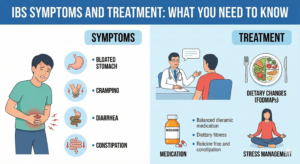
Irritable Bowel Syndrome (IBS) is a common digestive condition that affects how your gut works. It does not damage the intestines permanently, but it can seriously affect daily life. Many people live with IBS for years without knowing what is causing their stomach problems. If you often search for a stomach hospital near me or consult a dr liver specialist or gastro doctor due to ongoing stomach discomfort, IBS could be one possible reason.
This article explains IBS in simple, human language—its symptoms, causes, treatment options, and when to see a specialist.
What Is IBS?
IBS is a functional digestive disorder. This means your digestive system looks normal in tests, but it does not function properly. IBS mainly affects the large intestine and is often linked with stress, food habits, and gut sensitivity.
IBS is not the same as serious diseases like cancer or inflammatory bowel disease, but the symptoms can feel very real and uncomfortable.
Common IBS Symptoms
IBS symptoms can vary from person to person. Some people have mild symptoms, while others experience daily discomfort.
Most common IBS symptoms include:
- Repeated abdominal pain or cramps
- Bloating and gas after meals
- Diarrhea, constipation, or both
- Feeling that the stomach is not fully empty after using the toilet
- Mucus in stool
- Discomfort that improves after bowel movement
These symptoms often increase during stress, travel, hormonal changes, or after eating certain foods.
Types of IBS
Doctors usually classify IBS into different types based on bowel habits:
- IBS-D: Diarrhea-predominant
- IBS-C: Constipation-predominant
- IBS-M: Mixed (both diarrhea and constipation)
- IBS-U: Unclassified
Understanding the type of IBS helps doctors decide the right treatment approach, especially when consulting a gastroenterologist or gastroenterology surgical expert for advanced evaluation.
What Causes IBS?
The exact cause of IBS is not fully known, but several factors are involved:
- Sensitive gut nerves
- Irregular gut muscle movement
- Stress and anxiety
- Poor digestion of certain foods
- Gut infection history
- Hormonal changes
Many patients who search for a liver specialist doctor near me or stomach expert often discover that their liver is healthy, and the real issue lies in gut function rather than organ damage.
How Is IBS Diagnosed?
There is no single test for IBS. Doctors usually diagnose it by:
- Understanding your symptoms and medical history
- Ruling out other problems like infections, liver disease, or ulcers
- Blood tests, stool tests, or scans if required
In some cases, you may be referred to a dr liver specialist or gastroenterologist to ensure symptoms are not related to liver or serious digestive conditions.
IBS Treatment Options
IBS treatment focuses on symptom control and improving quality of life. There is no one-size-fits-all solution, but most people feel better with the right plan.
Common treatment methods include:
Lifestyle and Diet Changes
- Eating smaller, regular meals
- Avoiding trigger foods (spicy, oily, caffeine)
- Increasing fiber gradually (for constipation-type IBS)
- Drinking enough water
Stress Management
- Yoga or light exercise
- Meditation or breathing techniques
- Proper sleep routine
Medicines (if needed)
- Antispasmodic medicines for pain
- Medicines for diarrhea or constipation
- Probiotics to support gut health
In severe or confusing cases, doctors at a reputed stomach hospital near me may suggest advanced investigations or specialist care.
When Should You See a Doctor?
You should consult a doctor if:
- Symptoms last more than a few weeks
- Pain wakes you up at night
- There is unexplained weight loss
- Blood appears in stool
- Family history of serious digestive disease
A gastroenterologist or gastroenterology surgical specialist can guide you properly and rule out other conditions.
FAQs About IBS
Is IBS a serious disease?
No, IBS is not life-threatening, but it can affect daily comfort and mental well-being if ignored.
Can IBS be cured permanently?
IBS cannot be “cured,” but it can be well-managed with diet, lifestyle changes, and proper treatment.
Is IBS related to liver problems?
IBS is not a liver disease. Many people still consult a liver specialist doctor near me to rule out liver issues because symptoms can feel similar.
Can stress really cause IBS?
Stress does not cause IBS directly, but it can strongly trigger or worsen symptoms.
Which doctor should I consult for IBS?
A gastroenterologist is the right specialist. In complex cases, a referral to a dr liver specialist or surgical expert may be advised to rule out other issues.
Final Thoughts
IBS is common, manageable, and often misunderstood. The key is early recognition, simple lifestyle changes, and the right medical guidance. If stomach discomfort is affecting your daily life, do not ignore it. Consulting a trusted stomach or liver specialist can bring clarity, relief, and confidence in managing your digestive health.